

Family Coin Collections May Hold Greater Value Than Many Owners Realize
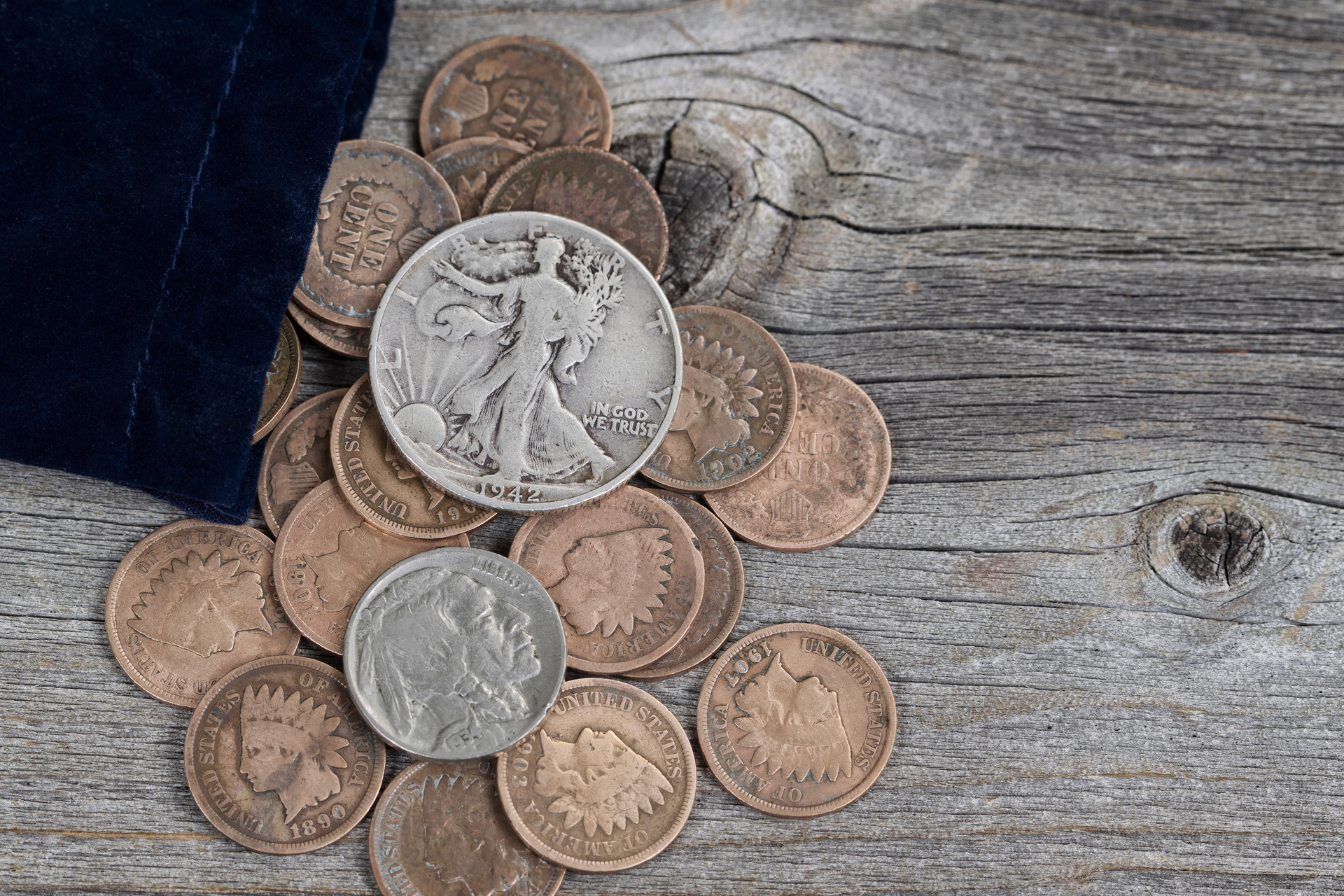

Many families inherit coin collections without realizing exactly what they contain”
METAIRIE, LA, UNITED STATES, August 7, 2026 /EINPresswire.com/ -- — Ken Bowers
Coin collections are often passed from one generation to the next, stored in safes, desk drawers, filing cabinets, or attic boxes with little attention over the years. While some collections contain common circulating coins with modest value, others include historically significant pieces, rare mintages, precious metal coins, or collectible sets that may represent meaningful family assets. Understanding the contents of a coin collection can help families make informed decisions about preservation, estate planning, and long-term asset management.
Many collections begin as hobbies rather than investments. A family member may have saved wheat pennies, silver dollars, commemorative coins, proof sets, or foreign currency over several decades without documenting the collection's contents. As collections change hands through inheritances or estate settlements, important details regarding rarity, condition, and market value may gradually be lost.
Coin values depend on several factors beyond age alone. Rarity, mintage numbers, historical significance, condition, demand among collectors, precious metal content, mint marks, and certification status all influence market value. A coin that appears ordinary may possess characteristics that significantly increase its collectible interest, while an older coin may carry little premium if large quantities remain available.
Condition remains one of the most important factors affecting collectible value. Scratches, corrosion, cleaning, environmental damage, and improper storage can reduce desirability among collectors. Coins that have remained in original holders or protective storage often retain better long-term condition than those handled frequently or stored loosely together.
Proper storage helps preserve collections for future generations. Protective holders, archival-quality albums, acid-free materials, controlled humidity, and stable temperatures reduce the likelihood of tarnish, corrosion, or physical damage. Avoiding unnecessary handling also helps maintain original surfaces that collectors often value highly.
Many families discover collections containing silver coins that circulated widely before changes in United States coin composition during the 1960s. These coins may possess value based on both collectible demand and precious metal content. Gold coins, commemorative issues, and certain mint errors may also warrant closer examination depending on their characteristics.
Documentation plays an important role in preserving the history of a collection. Records identifying purchase dates, previous ownership, original receipts, certificates, grading information, or historical notes provide valuable context that may assist future generations during appraisal or estate administration. Organized documentation also simplifies insurance and inventory management.
Professional grading services have become increasingly important within the numismatic marketplace. Independent grading organizations evaluate authenticity, assign condition grades, and encapsulate qualifying coins in protective holders. Certified coins often provide buyers with greater confidence regarding authenticity and condition while supporting more consistent market evaluations.
Estate planning frequently overlooks collectible assets such as coin collections. Family members responsible for settling estates may not recognize the significance of inherited collections, increasing the possibility that valuable coins could be overlooked, improperly stored, or unintentionally dispersed without appropriate evaluation. Including collectibles in estate planning discussions may help preserve both financial value and family history.
Authentication is particularly important for coins that appear unusual or potentially valuable. Counterfeit coins have become increasingly sophisticated, making professional evaluation beneficial when authenticity questions arise. Accurate identification helps distinguish genuine collectible coins from replicas, altered pieces, or modern reproductions.
Market demand for collectible coins changes over time as collector interests evolve. Historical events, anniversary commemorations, precious metal markets, and collector preferences all influence buying activity within the numismatic community. Periodic evaluations help families remain informed about current market conditions affecting collection values.
Inherited collections sometimes contain more than coins alone. Currency, medals, military tokens, trade tokens, commemorative medals, antique currency, bullion products, and exonumia frequently accompany traditional coin collections. These related items may also possess historical or collectible significance worthy of professional evaluation.
Insurance considerations should not be overlooked when collections possess meaningful value. Homeowners insurance policies may provide limited coverage for collectibles, making additional documentation or specialized insurance appropriate depending on the collection's estimated worth. Updated inventories and photographs support both insurance planning and estate records.
Collectors often appreciate the historical stories associated with coins as much as their monetary value. Coins provide tangible connections to different eras, political events, economic changes, artistic design, and technological advances in minting. Collections assembled across generations frequently reflect personal interests, travel experiences, family traditions, and historical milestones.
Digital technology has improved collection management by allowing owners to create electronic inventories, maintain photographs, document certifications, and organize historical information. These records can simplify estate administration while preserving valuable knowledge about individual pieces within larger collections.
"Many families inherit coin collections without realizing exactly what they contain," said Ken Bowers, owner of KenWorks in Metairie, Louisiana. "Taking the time to identify, organize, and properly evaluate a collection can help preserve both its financial value and the family history connected to those coins for future generations."
Coin collections often represent more than simple hobbies or keepsakes. They may preserve historical artifacts, precious metals, family memories, and financial assets accumulated over many years. Careful documentation, proper storage, professional evaluation, and thoughtful estate planning help ensure these collections continue serving future generations while preserving their historical and collectible significance.
Morgan Thomas
Rhino Digital, LLC
+1 504-875-5036
email us here
Visit us on social media:
Facebook
Legal Disclaimer:
EIN Presswire provides this news content "as is" without warranty of any kind. We do not accept any responsibility or liability for the accuracy, content, images, videos, licenses, completeness, legality, or reliability of the information contained in this article. If you have any complaints or copyright issues related to this article, kindly contact the author above.
