

Your media and advertising news from the world
Provided by AGP
How JP Sun Shading Delivers Sustainable Window Shading Solutions for Modern Buildings Worldwide
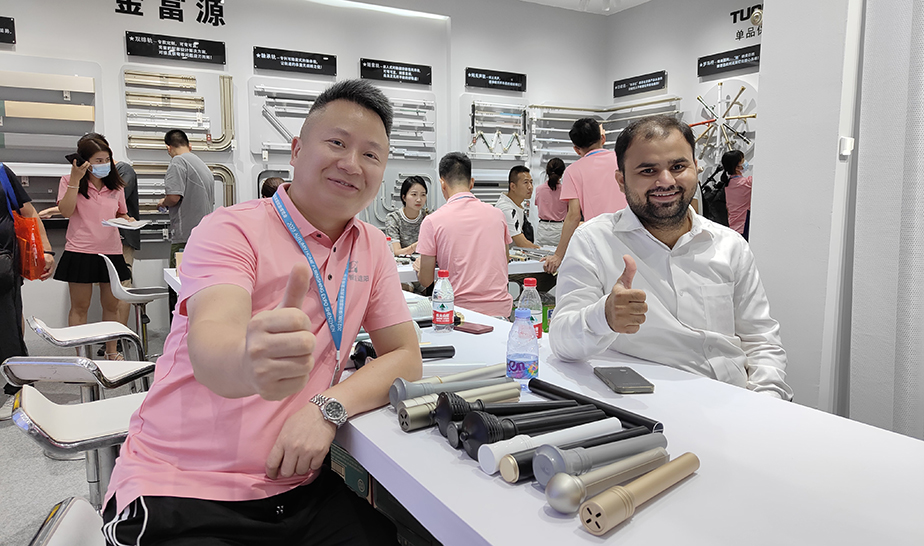
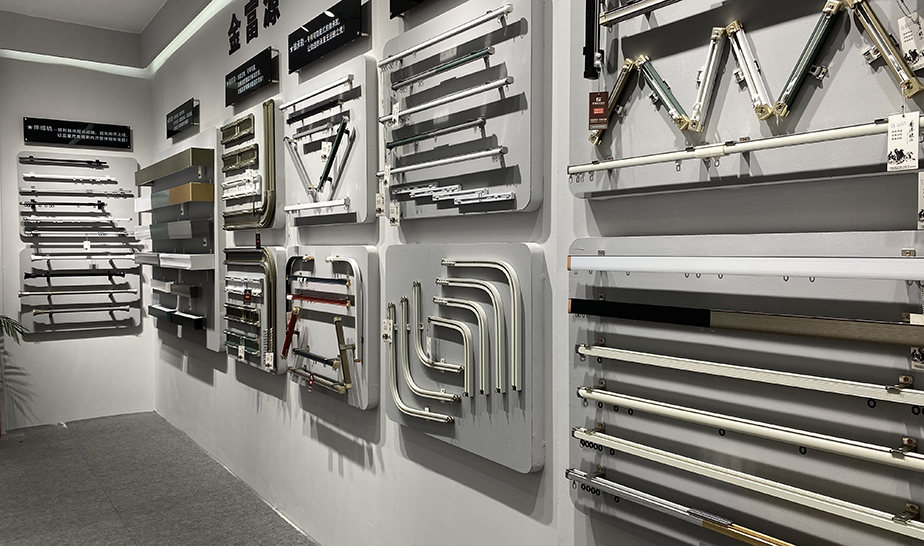
As modern buildings become more focused on sustainability and intelligent design, shading systems are expected to provide both functional performance and architectural compatibility. Against this backdrop, companies with strong manufacturing capability, product innovation, and global distribution experience are playing a more important role in supporting the evolving needs of the construction industry.
JP Sun Shading, operated under Guangdong Junpai Intelligent Sun Shading Technology Co., Ltd., has developed into a comprehensive enterprise specializing in the research, development, production, and sales of curtain tracks, curtain rods, curtain motors, roller blinds, blinds components, and related shading systems. With over two decades of industry experience, the company operates within the global window decoration and sun shading sector, serving markets across North America, Europe, South America, the Middle East, and Southeast Asia.
1. Growing Importance of Sustainable Window Shading in Modern Architecture
Sustainability has become a central focus in contemporary architecture, particularly in commercial buildings, residential complexes, hotels, and public infrastructure. One of the key areas influencing building efficiency is the management of natural light and heat through window shading systems.
Poorly managed sunlight exposure can significantly increase cooling loads in buildings, especially in regions with strong solar radiation. At the same time, insufficient daylight control can lead to excessive artificial lighting usage. Sustainable shading systems help address both challenges by optimizing light distribution and reducing energy consumption.
Modern architectural trends increasingly integrate shading systems into the early design phase of buildings rather than treating them as post-construction additions. This shift requires shading manufacturers to develop solutions that are not only functional but also adaptable to different architectural styles and environmental conditions.
2. Industry Experience and Manufacturing Foundation of JP Sun Shading
According to company information, JP Sun Shading has developed over 25 years of experience in the curtain decoration and sun shading industry. The company operates a large-scale manufacturing base covering more than 35,000 square meters and maintains multiple production lines, including aluminum extrusion lines, spraying lines, and PVC processing lines.
This manufacturing capacity allows the company to produce a wide range of window shading products, including:
Curtain track systems
Curtain rod and pole systems
Curtain pelmets
Curtain motors
Roller blinds systems
Blinds components and accessories
In addition, the company has developed a strong focus on product research and innovation, continuously introducing new designs to align with evolving architectural and interior design trends.
With approximately 20–30 new designs released annually and nearly 100 patents developed, JP Sun Shading demonstrates a consistent emphasis on product development and technical advancement within the sun shading industry.
3. Role of Innovation in Sustainable Shading System Development
Sustainable window shading solutions require more than traditional mechanical functionality. They must incorporate design innovation, material optimization, and system integration to meet modern building performance requirements.
JP Sun Shading places strong emphasis on research and development, supported by a professional team covering engineering, production, quality control, and sales functions. This integrated structure allows the company to manage the full product lifecycle from design concept to final manufacturing.
One of the key areas of innovation in the shading industry is the development of motorized and automated systems. Motorized curtain tracks and intelligent blinds systems enable more precise control of indoor lighting and temperature, contributing to improved energy efficiency in buildings.
Automation also plays an increasingly important role in smart building systems, where shading devices are integrated with building management systems (BMS) to optimize environmental conditions in real time.
4. Manufacturing Capability and Quality Assurance Systems
In global construction supply chains, consistency and reliability are critical factors when selecting shading system suppliers. JP Sun Shading emphasizes large-scale production capability combined with structured quality control systems.
The company operates multiple production lines for aluminum extrusion, surface treatment, and PVC processing, enabling integrated manufacturing of key components used in curtain and shading systems.
Quality assurance processes include material selection, production monitoring, and inspection procedures designed to ensure product durability and performance stability. This is particularly important for commercial building applications such as hotels, office towers, hospitals, and residential complexes, where long-term reliability is essential.
The company also maintains a strong patent portfolio, reflecting its commitment to product protection and technical development within the sun shading industry.
5. Global Market Presence and Application Scenarios
JP Sun Shading has expanded its market presence across multiple regions, including the United States, Canada, France, Australia, New Zealand, South America, the Middle East, and Southeast Asia. This international footprint reflects the global demand for advanced window shading systems in both residential and commercial construction sectors.
Different regions present different architectural and environmental challenges. For example:
Hot climate regions require stronger heat reduction and UV protection
Cold regions focus more on insulation and energy retention
Commercial buildings require automated and large-scale shading systems
Residential buildings prioritize comfort, design flexibility, and ease of use
The ability to adapt product design and system configuration to these diverse requirements is an important factor in global competitiveness within the shading industry.
6. Integration of Curtain Systems and Smart Building Trends
Modern building design is increasingly influenced by smart automation and integrated systems. Window shading solutions are becoming part of broader smart home and smart building ecosystems, where lighting, temperature, and environmental conditions are managed through centralized control systems.
JP Sun Shading’s product range includes motorized curtain systems and intelligent shading components, which align with the growing trend toward automated building environments. These systems allow users to adjust shading levels remotely or automatically based on time, sunlight intensity, or indoor temperature.
This integration supports not only comfort but also energy efficiency goals, particularly in large-scale commercial buildings where environmental control systems can significantly reduce operational costs.
Conclusion: The Evolving Role of Sustainable Window Shading Systems
The global demand for sustainable window shading solutions for modern buildings continues to grow as energy efficiency, smart building integration, and architectural design flexibility become increasingly important in construction projects worldwide.
JP Sun Shading’s long-term industry experience, large-scale manufacturing capability, innovation-driven product development, and global market presence position it within a sector that is undergoing continuous transformation. As buildings become more intelligent and sustainability-focused, shading system manufacturers are expected to play a more strategic role in supporting energy-efficient architecture.
The development of advanced curtain systems, roller blinds, motorized solutions, and aluminum-based shading components reflects the broader shift toward integrated and sustainable building environments.
Official Website: https://www.jpsunshading.com/
Guangdong Junpai Intelligent Sun Shading Technology Co., Ltd
Guangdong Junpai Intelligent Sun Shading Technology Co., Ltd
+ +86-13528905744
sales@jpsunshading.com
Legal Disclaimer:
EIN Presswire provides this news content "as is" without warranty of any kind. We do not accept any responsibility or liability for the accuracy, content, images, videos, licenses, completeness, legality, or reliability of the information contained in this article. If you have any complaints or copyright issues related to this article, kindly contact the author above.
