

New Roadway Development Safety Concerns Raised After City of Antioch, CA Bike Lane Accident

Team J&Y Law is currently litigating the case against Antioch, CA
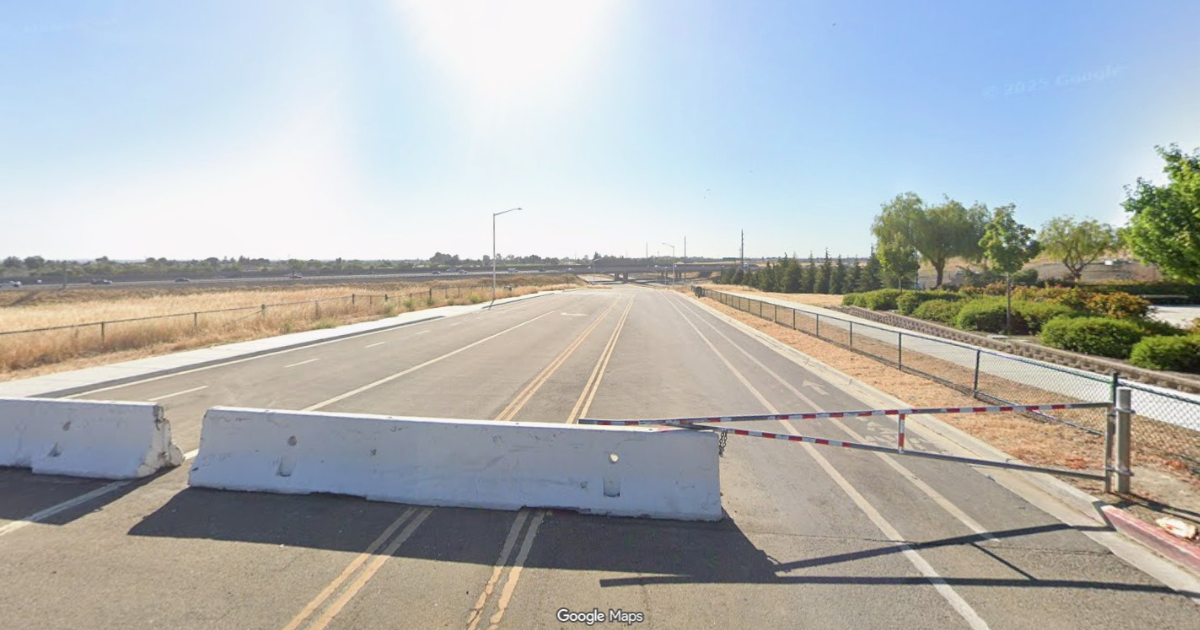
Bike lane safety issues in Antioch, CA

A bicyclist was injured after colliding with the gate.
ANTIOCH, CA, UNITED STATES, December 11, 2025 /EINPresswire.com/ -- A developing roadway in the City of Antioch, CA is now at the center of growing statewide safety questions after a bicyclist was injured when a designated bike lane was abruptly blocked by a locked metal gate located in an insufficiently illuminated section of roadway. The incident, now the subject of a formal legal claim (Nicholas Warner v. City of Antioch, et al., Case No. C23-02689), has prompted broader examination of oversight, coordination, and construction practices in modern California public works projects.
According to investigative findings, the rider was allegedly traveling in a freshly striped, seemingly open bike lane when he encountered a closed pipe gate and bordering K-rail blocking the path. At the time of the crash, the gate reportedly had no reflective markings, no warning signage, and no visible illumination. This is despite publicly available construction plans showing that a streetlight had been originally intended for that location.
Shortly after the crash, reflective tape appeared on the gate. None of the entities involved — including the City of Antioch, the project developer, the general contractor, or subcontractors responsible for lighting, signage, and gate installation — have identified who added it, when, or why. The uncertainty surrounding a post-incident safety modification has raised additional questions about documentation and communication across long-running infrastructure projects.
This incident reflects systemic challenges seen in large-scale California roadway developments, where multi-phase construction can span a decade or more and involve numerous layers of public and private decision-makers. In these environments, coordination gaps, incomplete recordkeeping, and varying oversight responsibilities can result in safety-critical features not being implemented as intended.
Lighting Pattern Interrupted
Investigators also found that the roadway’s designed zig-zag lighting pattern — consistent for more than a quarter mile — was interrupted at the crash site. Instead of installing a lamp at the planned location near the gate, construction crews placed the next light on the opposite side of the road, creating a low-visibility zone at the point of impact.
“These aren’t obscure engineering defects,” said Stephen Lockard, a Litigation Attorney with J&Y Law who is involved in the case. “They’re basic safety failures. Lighting. Proper visibility. Adequate warnings. That should never fall through the cracks on a public roadway and a project as long-running as this one.”
A System With Many Participants and Diffuse Oversight
The Antioch case illustrates structural issues that arise when projects rely on multiple stakeholders with overlapping or shifting roles. Developers, contractors, subcontractors, and public agencies may each manage different components of a single roadway, while inspections, approvals, and change orders move between divisions or teams. In this setting, parties may hold different assumptions about who is responsible for implementing or verifying certain safety features.
Construction professionals often refer to this dynamic as a “blame game,” where accountability becomes difficult to trace because responsibility is distributed across many hands.
California’s roadway system is part of one of the nation’s largest ongoing infrastructure investments. According to the Legislative Analyst’s Office, approximately $21.5 billion was allocated between 2023-24 for state highways and local streets and roads. At this scale, line-item details can be difficult to track, and small oversights may go unnoticed within multi-year, multi-agency budgets. The size of the investment also contributes to highly competitive bidding environments, where numerous companies seek access to state and local development contracts. While such competition is expected in public works markets, it underscores the importance of ensuring that the financial magnitude of these projects does not overshadow consistent safety practices, documentation standards, or accountability throughout the construction process.
Broader Discussions Around Statewide Reform
Public safety advocates suggest that the Antioch incident highlights the need to reassess oversight frameworks, particularly as cities increasingly collaborate with private developers and multi-tier contractor teams. Without clearer lines of responsibility and updated verification processes, similar hazards may surface elsewhere as California continues to expand and modernize its transportation infrastructure.
Proposed reforms from industry observers and safety professionals include:
- Clearer chains of responsibility for developers, contractors, and subcontractors
- Mandatory lighting and visibility audits before any public roadway or bike facility opens
- Stronger documentation and retention requirements
- State-level compliance reviews for design and safety specifications
“These improvements wouldn’t slow development,” Lockard said. “They’re meant to support consistency and help ensure the roads Californians rely on are built and maintained according to plan.”
More About the Antioch Case
The legal claim arising from the Antioch bike lane crash (Nicholas Warner v. City of Antioch, et al., Case No. C23-02689) seeks to determine which parties had oversight responsibilities for the roadway’s safety features and why certain elements may not have been present at the time of the incident. The investigation is ongoing.
About J&Y Law
J&Y Law is a personal injury firm that represents injured individuals throughout California and regularly handles roadway, bike lane, and construction-related injury matters involving questions of oversight, infrastructure compliance, and development practices. The firm’s investigations typically include detailed reviews of project contracts, plans, inspections, and notices to assess where safety breakdowns may have occurred and which entities were responsible for addressing them.
Dan Moyer
J&Y Law
+1 866-598-5699
email us here
Visit us on social media:
LinkedIn
Instagram
Facebook
YouTube
Legal Disclaimer:
EIN Presswire provides this news content "as is" without warranty of any kind. We do not accept any responsibility or liability for the accuracy, content, images, videos, licenses, completeness, legality, or reliability of the information contained in this article. If you have any complaints or copyright issues related to this article, kindly contact the author above.
